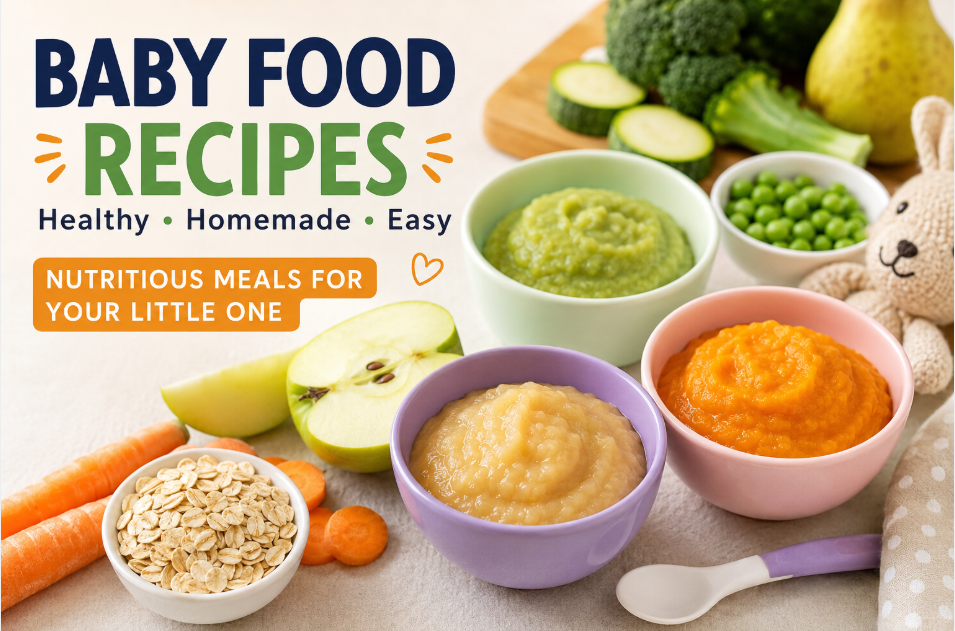
Parents often search for nutritious and simple baby food recipes that support healthy growth while introducing little ones to new flavors and textures. Homemade baby meals have become increasingly popular because they allow parents to control ingredients, avoid preservatives, and create balanced nutrition for infants. Preparing fresh meals at home can also help babies develop healthy eating habits from an early age.
- Why Homemade Baby Food Recipes Are Important
- Best Ingredients for Baby Food Recipes
- Fruit-Based Baby Food Recipes
- Vegetable Baby Food Recipes for Balanced Nutrition
- Protein-Rich Baby Food Recipes
- Age-Appropriate Feeding Stages
- Tips for Safe Homemade Baby Food Preparation
- Common Mistakes to Avoid When Making Baby Food Recipes
- Conclusion
The best baby food recipes combine natural ingredients, essential vitamins, healthy fats, and soft textures that are easy for babies to digest. From pureed fruits to protein-rich vegetable blends, homemade meals can provide everything a growing baby needs for brain development, immunity, and energy. This guide explores healthy recipe ideas, nutritional benefits, feeding tips, and safe preparation methods for babies at different stages.
Why Homemade Baby Food Recipes Are Important
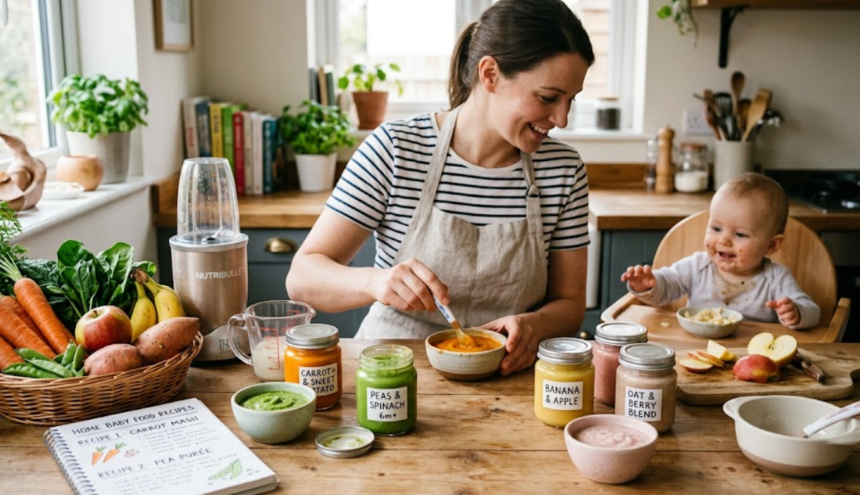
Homemade baby meals offer greater nutritional value compared to many processed options. Fresh ingredients contain natural vitamins and minerals without excessive sugar, salt, or artificial additives. Parents can also customize recipes according to their baby’s age, dietary needs, and taste preferences.
Research published by pediatric nutrition experts shows that introducing a variety of fruits and vegetables during infancy may encourage healthier food choices later in childhood. Homemade meals also allow parents to identify potential food sensitivities more easily because each ingredient is added individually.
Another advantage of homemade baby food recipes is affordability. Fresh produce, grains, and proteins are often less expensive than packaged baby meals. Many recipes can be prepared in larger batches and stored safely for later use.
Best Ingredients for Baby Food Recipes
The healthiest baby food recipes focus on nutrient-dense ingredients that support rapid growth and development. Fruits such as bananas, apples, pears, mangoes, and avocados provide natural sweetness and essential vitamins. Vegetables like carrots, sweet potatoes, peas, spinach, and pumpkin contain antioxidants, fiber, and minerals important for immunity and digestion.
Also Read: Fonendi A Complete Guide to Its Meaning, Uses, and Medical Importance
Whole grains including oats, rice, and quinoa provide energy and help babies feel satisfied. Protein-rich foods such as lentils, chicken, eggs, and yogurt support muscle development and brain function. Healthy fats from avocado and olive oil are also beneficial for cognitive growth.
When preparing meals for babies, ingredients should always be washed thoroughly and cooked until soft enough for smooth blending or mashing. Avoid adding sugar, honey, excessive salt, or spicy seasonings during infancy.
Fruit-Based Baby Food Recipes
Fruit purees are among the easiest and most loved homemade baby meals. They are naturally sweet, easy to digest, and rich in vitamins. One popular combination includes banana and avocado puree. Bananas provide potassium and energy, while avocado offers healthy fats and creamy texture. Simply mash both ingredients together until smooth.
Apple and pear puree is another gentle recipe for babies beginning solid foods. Steam peeled apples and pears until tender before blending into a smooth consistency. This recipe supports digestion and introduces mild natural sweetness.
Mango and yogurt blends are excellent for older babies who can tolerate dairy products. Mango contains vitamin C and antioxidants, while plain yogurt contributes calcium and probiotics that support gut health.
These simple baby food recipes can be adjusted in texture as babies grow older and become comfortable with chunkier foods.
Vegetable Baby Food Recipes for Balanced Nutrition
Vegetables play a major role in infant nutrition because they contain important vitamins and minerals. Sweet potato puree remains one of the most recommended first foods for babies due to its soft texture and high vitamin A content. Roasting sweet potatoes enhances their natural sweetness and creates a smoother puree.
Carrot and pea mash is another nutritious combination. Carrots provide beta-carotene, while peas add fiber and plant-based protein. Steaming vegetables preserves nutrients and creates a soft texture ideal for infants.
Pumpkin puree mixed with a small amount of oats creates a filling and nutritious meal rich in fiber and iron. Spinach blended with potatoes can also introduce leafy greens in a mild and creamy form.
Introducing vegetables early may help babies accept a wider variety of healthy foods as they grow older.
Protein-Rich Baby Food Recipes
Protein is essential for healthy growth, muscle development, and immune support. Lentil puree is one of the best vegetarian baby food recipes because lentils contain iron, protein, and fiber. Cook lentils until soft and blend them with carrots or sweet potatoes for added flavor.
Chicken and vegetable puree provides high-quality protein along with vitamins from vegetables like carrots and peas. The chicken should be fully cooked and blended until smooth to avoid choking risks.
Egg yolk mash is another nutritious option for babies who have already started solid foods successfully. Eggs contain choline, which supports brain development. Mixing mashed egg yolk with avocado creates a creamy and nutrient-rich meal.
Greek yogurt with fruit puree can also provide protein and calcium while supporting digestive health.
Age-Appropriate Feeding Stages
Different stages of infancy require different food textures and nutritional approaches. Babies around six months old usually begin with smooth purees made from single ingredients. Soft fruits and cooked vegetables are often recommended during this stage.
As babies grow between seven and nine months, thicker textures and mixed ingredient recipes can be introduced gradually. Mashed foods with small soft lumps encourage chewing skills and oral development.
Older babies between nine and twelve months can often handle finely chopped soft foods and finger foods. At this stage, baby food recipes may include soft pasta, shredded chicken, scrambled eggs, and diced fruits.
Parents should always monitor for allergic reactions when introducing new foods and consult pediatric healthcare professionals if concerns arise.
Tips for Safe Homemade Baby Food Preparation
Food safety is extremely important when preparing homemade meals for infants. Fresh ingredients should be washed carefully to remove dirt and bacteria. Cooking food thoroughly helps eliminate harmful microorganisms and softens textures for easier digestion.
Also Read: How to Tell if a Vape Shop Is Trustworthy and Professional?
Homemade baby food should be stored in airtight containers and refrigerated promptly. Many purees can also be frozen in small portions for convenience. Frozen portions should be thawed safely in the refrigerator instead of at room temperature.
Clean utensils, blenders, and preparation surfaces reduce contamination risks. Parents should avoid serving foods that pose choking hazards such as whole grapes, nuts, popcorn, or hard raw vegetables.
Maintaining proper hygiene and safe preparation methods ensures that homemade baby food recipes remain healthy and safe for infants.
Common Mistakes to Avoid When Making Baby Food Recipes
Many parents unknowingly add salt or sugar to baby meals in an attempt to improve flavor. Babies do not need added sugar, and excessive salt may strain developing kidneys. Natural flavors from fruits and vegetables are sufficient for infants.
Another common mistake is introducing too many ingredients at once. Single-ingredient foods help parents identify allergies or sensitivities more effectively. Waiting a few days between new foods is often recommended.
Texture progression is also important. Keeping babies on purees for too long may delay chewing development. Gradually introducing thicker textures helps babies learn oral motor skills.
Parents should also avoid relying on fruit-only meals because babies require balanced nutrition from vegetables, grains, proteins, and healthy fats.
Conclusion
Healthy baby food recipes provide an excellent way to support infant growth, nutrition, and long-term eating habits. Homemade meals allow parents to use fresh ingredients, control quality, and introduce a wide range of flavors and textures. Nutritious combinations of fruits, vegetables, grains, and proteins can help babies receive essential vitamins and minerals during important developmental stages.
Also Read: Trey Kulley Majors A Closer Look at His Life, Background, and Personal Path
From creamy avocado blends to protein-rich lentil purees, homemade baby meals can be both simple and nourishing. Following safe preparation methods and introducing foods gradually ensures a positive feeding experience for both parents and babies. With thoughtful planning and balanced ingredients, homemade baby food recipes can become a healthy foundation for lifelong wellness.
FAQs
When should babies start eating solid foods?
Most babies begin solid foods around six months of age, although parents should follow pediatric guidance based on individual development.
Can homemade baby food be frozen?
Yes, many homemade purees can be frozen safely in small airtight containers for future use.
What foods should babies avoid?
Babies should avoid honey, excessive salt, added sugar, whole nuts, and foods that create choking hazards.
How long can homemade baby food stay refrigerated?
Fresh homemade baby food is generally safe in the refrigerator for up to two days when stored properly.
Are organic ingredients necessary for baby food recipes?
Organic ingredients are optional, but many parents prefer them to reduce exposure to pesticides and additives.
For more updates visit: FASTER WORLD