The Evolution of Digital Graphics
The digital graphics industry has made major strides in blending fantasy with reality. GFX makers are using technologies like 3D modeling, VR, and AI to create visuals that closely resemble real life. This fusion is revolutionizing industries such as gaming, film, and advertising, offering endless possibilities for creators. This article explores how GFX makers are changing our perception of reality through digital graphics and the tools making it all possible.
- The Evolution of Digital Graphics
- Understanding GFX Makers and Their Role in Digital Creation
- The Tools Driving the Shift: From 3D Models to AI-Driven Graphics
- Bridging reality and the digital world in gaming
- GFX Makers in Film and Animation: Creating Lifelike Digital Worlds
- Advertising and Marketing: Enhancing Visual Appeal with Digital Graphics
- The Future of GFX: What’s Next?
- Conclusion
Understanding GFX Makers and Their Role in Digital Creation
GFX makers are the artists and creators behind the visual effects and graphics seen in movies, video games, advertisements, and virtual environments. They use various tools, software, and techniques to craft images, animations, and special effects that enhance the narrative or product. As technology advances, these creators are now able to blend digital and real-world elements seamlessly, making it harder to distinguish between the two.
The Tools Driving the Shift: From 3D Models to AI-Driven Graphics
The gap between reality and digital creation is shrinking due to the development of powerful tools and software. Let’s take a look at some of the key technologies that are making this possible.
3D Modeling and Animation Software
Software like Autodesk Maya, Blender, and Cinema 4D allows GFX makers to create highly detailed 3D models and animations. These tools provide creators with the ability to design characters, environments, and objects that closely resemble real-world physics, textures, and lighting. The realistic rendering of these elements contributes to the believability of digital worlds.
Virtual Reality (VR) and Augmented Reality (AR)
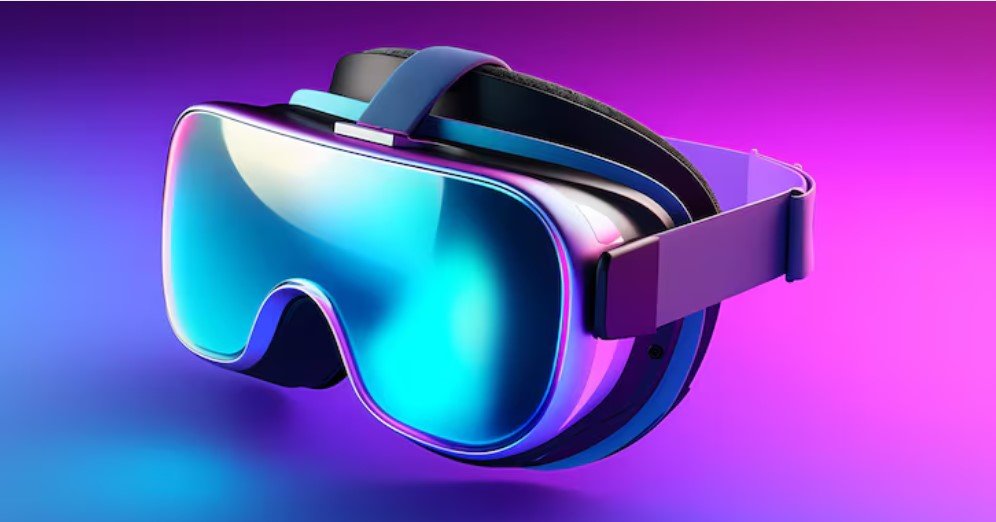
VR and AR technologies are transforming how we experience digital content. VR allows users to immerse themselves in fully digital worlds, while AR overlays digital elements onto the real world. GFX makers use these tools to enhance storytelling, gaming, and training simulations, providing a more lifelike experience for users.
Artificial Intelligence (AI) in Graphics
You can also read this: What You Need to Know About 8776137414 A Helpful Guide to Understanding Toll-Free Numbers
AI is being increasingly used to generate realistic textures, lighting, and movements. Through machine learning, AI can learn from real-world data and replicate patterns to create hyper-realistic visuals. This technology is becoming a game-changer for industries like gaming, where AI is used to create lifelike characters and environments.
Bridging reality and the digital world in gaming
The blending of reality and digital graphics has significantly impacted the gaming industry. Video game graphics have evolved from pixelated images to lifelike environments, with modern consoles and PCs rendering real-time graphics that rival CGI in blockbuster films.
1. Photorealistic Graphics in Modern Games
Games like The Last of Us Part II, Red Dead Redemption 2, and Cyberpunk 2077 set new standards for photorealism, using advanced graphics engines like Unreal Engine and Unity, along with AI and 3D modeling, to create lifelike environments and characters.
Virtual Reality (VR) Gaming
In VR gaming, GFX makers are playing a crucial role in creating fully immersive worlds. VR headsets, combined with realistic 3D rendering, allow players to feel as if they are stepping into another reality. This level of immersion is made possible by the advanced graphics and real-time rendering power that GFX makers leverage in VR.
GFX Makers in Film and Animation: Creating Lifelike Digital Worlds
The film industry has long relied on GFX makers for stunning visual effects, from action sequences to fantastical creatures. With advancing technology, digital effects are now so seamlessly integrated into live-action films that viewers often can’t distinguish between reality and CGI.
CGI and Visual Effects in Blockbusters
Movies like Avatar, Avengers: Endgame, and The Lion King demonstrate the power of modern GFX. The creation of lifelike characters, from the Na’vi to talking animals, is achieved through a combination of 3D modeling, motion capture, and photorealistic rendering. These techniques allow GFX makers to bridge the gap between the real and digital worlds in a way that’s nearly indistinguishable.
Deepfake Technology and Its Impact
Deepfake technology uses AI to create lifelike video manipulations, blurring the lines between reality and digital creation. While raising ethical concerns, it highlights the advances GFX makers have made.
Advertising and Marketing: Enhancing Visual Appeal with Digital Graphics
In the world of advertising and marketing, GFX makers play a crucial role in creating visually stunning content that grabs attention and tells a compelling story. Digital graphics allow advertisers to push the boundaries of creativity, using photorealistic visuals to create ads that last for a long time.
Hyper-Realistic Product Visualizations
In industries like fashion, automotive, and tech, GFX makers use advanced rendering techniques to create hyper-realistic product visualizations. These digital renderings allow companies to showcase their products in ways that were previously impossible, giving customers an almost tangible experience of the product without physical prototypes.
Immersive Ad Campaigns with VR and AR
Brands are increasingly using VR and AR to create interactive ad campaigns that offer immersive experiences. Whether it’s trying on clothes virtually or experiencing a car’s features in 3D, these digital enhancements make ads more engaging and relatable to consumers.
The Future of GFX: What’s Next?
As technology continues to evolve, the future of GFX is bound to bring even more breakthroughs in bridging the gap between reality and digital creation. With advancements in AI, photorealistic rendering, and immersive technologies like VR and AR, the possibilities are endless. GFX makers will continue to push the boundaries, creating new experiences and redefining how we interact with digital worlds.
Conclusion
Bridging the gap between reality and digital graphics has transformed how we experience video games, movies, and ads. Thanks to GFX makers, we can immerse ourselves in lifelike environments and interact with digital creations. As technology advances, the lines between reality and digital art will continue to blur, unlocking new creative possibilities.
FAQs
1. How do GFX makers bridge the gap between reality and digital graphics?
GFX makers use advanced technologies like 3D modeling, AI, and VR to create hyper-realistic graphics that seamlessly blend with real-world elements, making digital creations lifelike.
2. What software do GFX makers use to create realistic digital graphics?
GFX makers use software like Autodesk Maya, Blender, Unreal Engine, and Cinema 4D to create photorealistic models, animations, and effects.
3. How has VR impacted GFX creation?
VR has allowed GFX makers to create fully immersive digital worlds, giving users an experience that feels real, whether in gaming or interactive experiences.
4. What role does AI play in digital graphics?
AI helps GFX makers generate realistic textures, lighting, and movements by learning from real-world data, enhancing the overall realism of digital visuals.
For more updates visit: FASTER WORLD