The global push toward sustainable energy is more urgent than ever. Traditional energy systems are struggling to balance high energy consumption demands with the pressing need to reduce carbon emissions. Amid this landscape, HMS Photovoltaik has emerged as a revolutionary solution, offering advanced photovoltaic (PV) systems that integrate smart technologies to maximize efficiency and sustainability. By bridging the gap between industrial energy needs and clean energy capabilities, HMS Photovoltaik is redefining the way energy is generated, stored, and utilized.
The Energy Conundrum: Challenges in Modern Industrial Energy Use
Industries worldwide are facing a significant energy conundrum: how to meet high energy consumption demands while maintaining compatibility with clean, renewable energy sources. Solar energy, particularly photovoltaics, offers immense potential but comes with inherent challenges.
Mismatch Between Peak Energy Consumption and Photovoltaic Output
One of the most pressing issues in adopting PV systems is the mismatch between energy demand peaks and photovoltaic output. Solar energy generation is naturally dependent on sunlight, which fluctuates throughout the day and across seasons. Industrial operations, on the other hand, often require a continuous and stable power supply, with peak loads occurring at times when solar generation may be insufficient. This mismatch creates inefficiencies and necessitates supplementary energy from conventional, often fossil-fuel-based, sources.
The Conflict Between Continuous Production and Photovoltaic Fluctuations
Continuous industrial production demands a steady flow of energy. Traditional PV systems, however, generate electricity intermittently due to cloud cover, weather changes, or seasonal variations. These fluctuations can disrupt production schedules, increase operational costs, and complicate energy management. The need for smart solutions that synchronize production loads with photovoltaic generation has never been more critical.
Energy Costs and Carbon Emissions Pressure
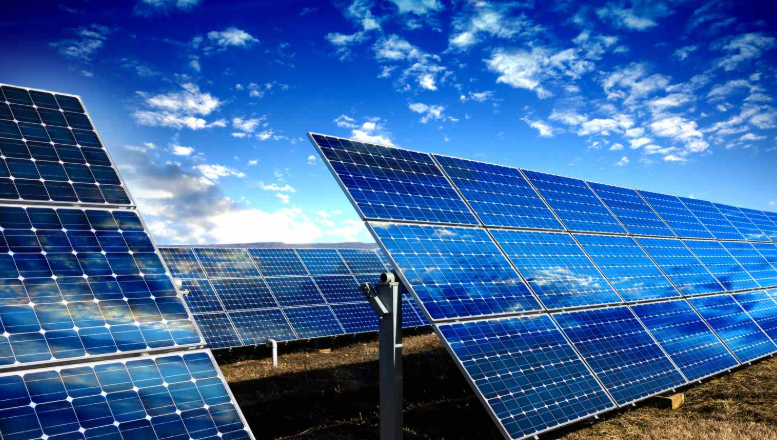
Industries are also under increasing pressure to manage energy costs and reduce carbon emissions. High energy prices can directly impact production margins, while stringent environmental regulations demand cleaner energy alternatives. PV systems can alleviate these concerns, but only if they are intelligently integrated into the production infrastructure, ensuring both economic and environmental benefits.
Technological Breakthroughs in Smart HMS Photovoltaik
HMS Photovoltaik is leading the way in addressing these challenges through technological innovation. Moving beyond passive power generation, HMS Photovoltaik now focuses on active adaptive production, where photovoltaic systems dynamically respond to industrial energy needs.
Production Load – Precise Coordination of PV Output
At the core of HMS Photovoltaik’s innovation is the precise coordination of photovoltaic output with production loads. By leveraging AI forecasting and dynamic adjustment, HMS Photovoltaik systems can predict solar energy availability and automatically align production schedules to optimize energy utilization. This proactive approach ensures that industrial processes receive energy when needed, reducing reliance on external grids and minimizing waste.
AI-driven prediction models analyze historical weather data, sunlight intensity, and production requirements to generate accurate forecasts. This allows industries to plan energy consumption more efficiently and even adjust production processes to match peak PV output, creating a harmonious balance between energy generation and demand.
Synergistic Energy Storage System
Fluctuating solar output has traditionally been a barrier to industrial PV adoption. HMS Photovoltaik addresses this challenge with a synergistic energy storage system. By combining high-capacity batteries and intelligent energy management software, HMS Photovoltaik systems store surplus energy during peak solar production and release it during periods of low generation.
This peak-valley energy arbitrage not only stabilizes power supply but also reduces operational costs. Stored solar energy can replace expensive grid electricity during high-demand periods, while surplus production can be fed back into the grid or reserved for future use. Energy storage also plays a critical role in reducing carbon emissions, allowing industries to rely less on fossil fuels even when solar generation is inconsistent.
Customised Photovoltaic System Design
No two industrial environments are alike, which is why HMS Photovoltaik offers customised photovoltaic system design. Each system is tailored to the specific production environment, considering factors such as energy demand patterns, roof or land space availability, and local solar irradiance.
This customization ensures maximum efficiency and performance. By analyzing production cycles and energy requirements, HMS Photovoltaik engineers can design PV arrays and energy storage systems that deliver optimal results. Industrial facilities can achieve higher self-sufficiency in energy generation while minimizing costs and environmental impact.
Challenges and Future Directions
Despite these breakthroughs, HMS Photovoltaik continues to face challenges. The journey toward 100% clean energy is ongoing, requiring continuous innovation in storage, prediction, and integration technologies.
Breakthroughs in Long-Duration Energy Storage Technology
One of the key future directions for HMS Photovoltaik is the development of long-duration energy storage solutions. Current battery technologies, while effective for short-term storage, are limited in their capacity to store large amounts of energy over extended periods. Advancements in long-duration storage, such as flow batteries or next-generation lithium-sulfur systems, could allow industrial PV systems to store energy for days or weeks, ensuring uninterrupted power supply even during extended periods of low sunlight.
Enhanced Prediction and Dispatch Precision
Accurate prediction and dispatch are critical for maximizing the benefits of HMS Photovoltaik. Future developments will focus on enhancing AI-driven forecasting models, incorporating real-time weather data, grid conditions, and industrial load variations. By improving prediction accuracy, industries can better align production schedules with solar availability, reduce dependency on backup power, and further decrease energy costs.
HMS Photovoltaik Synergy with Other Clean Energy Sources
While photovoltaics offer immense potential, integrating them with other renewable energy sources can create a more resilient energy ecosystem. HMS Photovoltaik systems are increasingly designed to synergize with wind, hydro, and even bioenergy sources, creating hybrid renewable solutions that ensure continuous, clean, and cost-effective power supply. This multi-source approach mitigates the limitations of any single energy technology, providing industries with a reliable path toward full decarbonization.
Conclusion
HMS Photovoltaik represents a transformative step in the industrial adoption of solar energy. By addressing the energy conundrum through smart technology, precise coordination, and customized solutions, HMS Photovoltaik allows industries to reduce costs, lower carbon emissions, and achieve greater energy independence.
As the world advances toward the goal of 100% clean energy, HMS Photovoltaik continues to innovate, focusing on long-duration storage, improved prediction, and synergy with other renewable sources. For industries seeking a sustainable energy future, HMS Photovoltaik offers a practical, intelligent, and forward-thinking solution—turning solar power from a supplementary resource into a core driver of production efficiency and environmental stewardship.
For more updates visit: FASTER WORLD