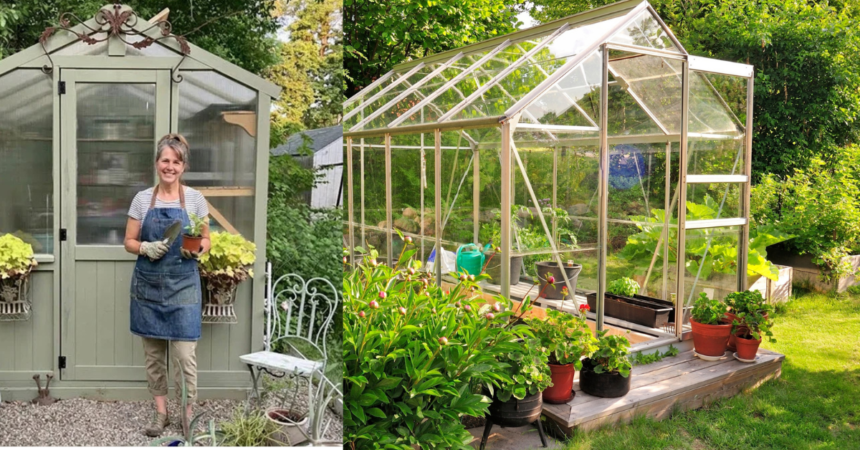
Learning effective greenhouse gardening tips can completely transform the way plants grow throughout the year. Greenhouses create controlled environments that allow gardeners to protect plants from harsh weather, extend growing seasons, and improve crop productivity. Whether someone is growing vegetables, herbs, flowers, or exotic plants, understanding the right greenhouse techniques is essential for long-term success.
- Why Greenhouse Gardening Is Becoming More Popular
- Choosing the Right Greenhouse Structure
- Temperature Control and Ventilation in Greenhouse Gardening
- Importance of Soil Quality and Plant Nutrition
- Watering Techniques for Greenhouse Gardening
- Pest Control and Disease Prevention
- Lighting and Seasonal Growing Success
- Best Plants for Greenhouse Gardening
- Sustainable Greenhouse Gardening Practices
- Conclusion
The popularity of greenhouse gardening continues to increase because more people are becoming interested in sustainable living, homegrown food, and year-round cultivation. Modern greenhouse systems make it possible to grow healthy plants even during colder seasons or unpredictable climate conditions. These greenhouse gardening tips will help beginners and experienced gardeners create healthier plants, improve yields, and maintain balanced growing conditions.
Why Greenhouse Gardening Is Becoming More Popular
The growing demand for organic produce and sustainable lifestyles has made greenhouse gardening tips increasingly valuable for homeowners and gardening enthusiasts. Greenhouses provide a controlled environment where temperature, humidity, and light exposure can be managed more effectively compared to outdoor gardening.
Many gardeners choose greenhouse cultivation because it reduces dependence on seasonal weather patterns. Plants become less vulnerable to storms, pests, and sudden climate changes. In addition, greenhouse gardening often improves plant growth rates because environmental conditions remain more stable.
Research in horticulture also shows that controlled growing environments can increase crop productivity while reducing water waste. This makes greenhouse systems both environmentally friendly and highly practical.
Choosing the Right Greenhouse Structure
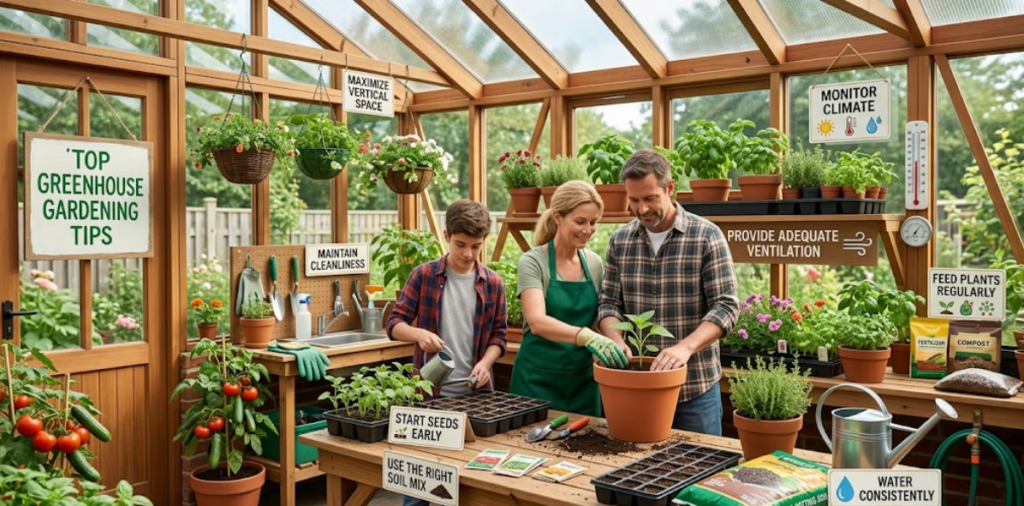
One of the most important greenhouse gardening tips involves selecting the right greenhouse design. Different greenhouse structures are suitable for different climates, budgets, and gardening goals.
Smaller greenhouses are often ideal for beginners who want to grow herbs, vegetables, or flowers at home. Larger structures provide more flexibility for advanced gardening projects and commercial cultivation. Material choice is equally important because glass, polycarbonate, and plastic coverings each affect light transmission and insulation differently.
Proper greenhouse placement is another key factor. Most experts recommend placing greenhouses in locations that receive maximum sunlight throughout the day. Adequate sunlight exposure supports photosynthesis and improves overall plant health.
Temperature Control and Ventilation in Greenhouse Gardening
Temperature management is one of the most critical greenhouse gardening tips for maintaining healthy plants. Greenhouses can become excessively hot during sunny days, especially in warmer climates. Without proper ventilation, high temperatures may damage crops and reduce productivity.
Also Read: Garden Advice Homenumental The Complete Guide to a Healthy and Beautiful Garden
Ventilation systems help regulate airflow, humidity, and heat levels. Roof vents, side windows, and circulation fans improve air movement and prevent overheating. During colder months, heating systems may be necessary to maintain stable temperatures for sensitive plants.
Balanced climate control creates an environment where plants can thrive consistently. Proper temperature regulation also reduces stress on plants and minimizes disease risks.
Importance of Soil Quality and Plant Nutrition
Healthy soil is the foundation of successful greenhouse gardening. Among the most valuable greenhouse gardening tips is the importance of nutrient-rich soil with proper drainage and moisture retention.
Plants grown inside greenhouses rely heavily on soil quality because they are cultivated in controlled spaces where natural nutrient cycles are limited. Organic compost, natural fertilizers, and balanced soil mixtures help maintain fertility and support plant growth.
Regular monitoring of soil conditions is essential because nutrient deficiencies can quickly affect plant health. Gardeners often test soil pH levels to ensure optimal growing conditions for specific crops.
Providing proper nutrition improves root development, strengthens plant resistance, and increases harvest quality.
Watering Techniques for Greenhouse Gardening
Efficient watering practices are another essential part of effective greenhouse gardening tips. Plants inside greenhouses often require different watering schedules compared to outdoor crops because greenhouse environments retain heat and humidity differently.
Overwatering is one of the most common mistakes in greenhouse cultivation. Excess moisture can encourage fungal diseases, root rot, and poor oxygen circulation in the soil. On the other hand, underwatering may slow plant growth and reduce productivity.
Drip irrigation systems are commonly recommended because they deliver water directly to plant roots while minimizing waste. Consistent watering routines help maintain stable moisture levels and improve plant development.
Pest Control and Disease Prevention
Protecting plants from pests and diseases is a major concern for greenhouse gardeners. Effective greenhouse gardening tips focus on prevention rather than relying entirely on chemical treatments.
Also Read: Garden Advice Homenumental The Complete Guide to a Healthy and Beautiful Garden
Although greenhouses provide protection from many outdoor threats, enclosed spaces can also allow pests to spread quickly if not managed properly. Common greenhouse pests include aphids, whiteflies, spider mites, and fungus gnats.
Maintaining cleanliness, proper ventilation, and healthy plant spacing significantly reduces disease risks. Many gardeners use natural pest control methods such as beneficial insects and organic treatments to maintain balanced ecosystems inside greenhouses.
Early detection is extremely important because minor pest issues can become serious problems in controlled environments.
Lighting and Seasonal Growing Success
Lighting plays a major role in successful greenhouse cultivation. One of the most effective greenhouse gardening tips is understanding how seasonal light changes affect plant growth.
During winter months, natural sunlight may become insufficient for some crops. Supplemental grow lights help maintain healthy photosynthesis and consistent plant development. LED grow lights are especially popular because they are energy-efficient and effective for indoor cultivation.
Different plants also require different light durations and intensities. Understanding crop-specific lighting needs helps gardeners maximize productivity throughout the year.
Best Plants for Greenhouse Gardening
Many gardeners begin their journey by selecting crops that perform well in greenhouse environments. Some of the most popular choices include tomatoes, cucumbers, peppers, herbs, and leafy greens.
Flowers and tropical plants are also common because greenhouses provide protection from unfavorable outdoor temperatures. These greenhouse gardening tips encourage gardeners to choose crops suitable for their climate, experience level, and available greenhouse space.
Growing multiple plant varieties can create balanced ecosystems while increasing overall harvest diversity.
Sustainable Greenhouse Gardening Practices
Sustainability has become an important focus in modern gardening. Many greenhouse gardening tips now emphasize eco-friendly practices such as rainwater collection, composting, and energy-efficient heating systems.
Also Read: Garden Advice Homenumental The Complete Guide to a Healthy and Beautiful Garden
Using natural pest control methods and organic fertilizers reduces environmental impact while supporting healthier plant growth. Sustainable greenhouse gardening also helps conserve water and minimize chemical use.
As environmental awareness continues growing worldwide, sustainable greenhouse methods are becoming increasingly popular among both home gardeners and commercial growers.
Conclusion
Understanding the right greenhouse gardening tips can significantly improve plant health, crop productivity, and overall gardening success. From temperature control and soil management to watering techniques and pest prevention, every aspect of greenhouse cultivation contributes to creating balanced and thriving environments.
Greenhouses provide unique advantages that allow gardeners to grow plants year-round while protecting crops from unpredictable weather conditions. With proper planning, consistent maintenance, and sustainable practices, greenhouse gardening can become both rewarding and highly productive.
Whether someone is a beginner or an experienced gardener, applying these greenhouse gardening tips will help create healthier plants and more successful harvests throughout every season.
FAQs
Why is greenhouse gardening beneficial?
Greenhouse gardening protects plants from harsh weather and creates controlled growing conditions for healthier crops.
What plants grow best in greenhouses?
Tomatoes, cucumbers, peppers, herbs, and flowers are commonly grown successfully in greenhouse environments.
How do you control greenhouse temperature?
Ventilation systems, fans, shading, and heating equipment help maintain stable temperatures.
Can greenhouse gardening reduce pests?
Yes, controlled environments help reduce exposure to outdoor pests, although proper monitoring is still necessary.
Is greenhouse gardening suitable for beginners?
Yes, small greenhouse systems are beginner-friendly and ideal for learning year-round gardening techniques.
For more updates visit: FASTER WORLD